David Callner’s novels, novellas, and poetry translations.
David Callner is the author of six novels and many short works. He also translated a highly acclaimed collection of Japanese tanka poetry into English (Hudson: A Collection of Tanka, published by The Japan Times in 2004). Callner spent his childhood and youth in England, France, Italy, and America. He has resided in Japan for over forty years and teaches at Shinshu University. David Callner is a grandson of the Japanese poet Kisaburo Konoshima, and son of the painter Richard Callner.
All books on this site can be read online and/or downloaded.

Go Tomas - 1986
"Go Tomas" is a five-chapter tale about murder in modern suburban Tokyo. Go Tomas, the protagonist in first person, kills five versions of his disgusting, miserable and funny self over a span of many years. One chapter is dedicated to each murder.
Life in Japan - 1991
"Life in Japan" is by a bad person who lives a few years in Japan, becomes an “Expert on Japan”, and returns to America to write a book about his experiences and life in Japan. The chapter headings are: “College Life in Japan”; “Company Life in Japan”; “Love and Marriage in Japan”; “Homelife in Japan”; “Birth in Japan”; “Death in Japan”; and “Departure”.
The Goldberg Variations - 1994
"The Goldberg Variations" is a lament by a man for his little boy, set in Hudson Valley, New York. Thirty-two vignettes are structured as an Aria with thirty variations and an Aria da Capo.
Tea, Coffee, and Wine - 1999
"Tea, Coffee, and Wine" is the story of a young man who goes to search for Truth through masters of the three beverages in India. Dr. Hellinwood, an American from Cleveland, is the master of tea in New Delhi; Peach-Dragon Hashimoto-sama, a wealthy Japanese, is the master of coffee in Madras; and Darvon, an elderly hippie from Massachusetts, is the master of wine in Simla, in the southern outliers of the east Himalaya.
The Complete Poems of Kisaburo Konoshima - 2009
Translated into English by David Kei Callner
詠み捨てて忘れはてなんわが歌ぞ
いのちの火花たつきの響
O my poems
composed - discarded - completely forgotten
the sparks of life
echoes of a moment
The Hanami Funeral - 2011
The hamlet of Tonodo is a loose cluster of some fifty houses adorning a mountainside in the Japan Alps. It is autumn. Larch and cherry contrast more vividly each day with the evergreens to make a brilliant patchwork of amber, crimson, and green. As with many such hamlets, the entire population shares just a few family names - in Tonodo three: Kobayashi, Ueno, and Hanami. Kobayashi and Ueno are typical Japanese names, but Hanami is unique with its literal meaning, “A Flower Viewing”. Shichino Hanami has died at ninety-one and it is time for her funeral.
Charlatan - 2016
This box of letters, diary entries, teaching material, some short stories and poems, is all that remains of my husband, Charles LaTan. Feel free to keep any of it. If, however, nothing here interests you either, then please just dispose of it all and I will be sorry to have bothered you.
Yours truly,
Mrs. Tomoko Hemingway
Kyoto - Four Seasons of Living History - 2017
Each season in Kyoto is as distinct and vivid as its change, and through each season the history of Kyoto, past and living, can be felt with the marvelous and unique city it vivifies.


A Guide - 2022
“A Guide” is an homage, in fiction and in actual interviews and manuscripts, to the 20th century artist Richard Callner. Along with many images from the work of Richard Callner’s mentors, contemporaries, and influences, “A Guide” offers the most comprehensive presentation of Richard Callner’s own work in existence today.


Pomes - 2023
This collection of letters is a chronicle of a seventeen-year friendship wherein thoughts were shared on a mutual love for poetry and art of many genres, life stories and events past and current, simultaneous readings of Tolstoy, Dickens, Nabokov, and much more.
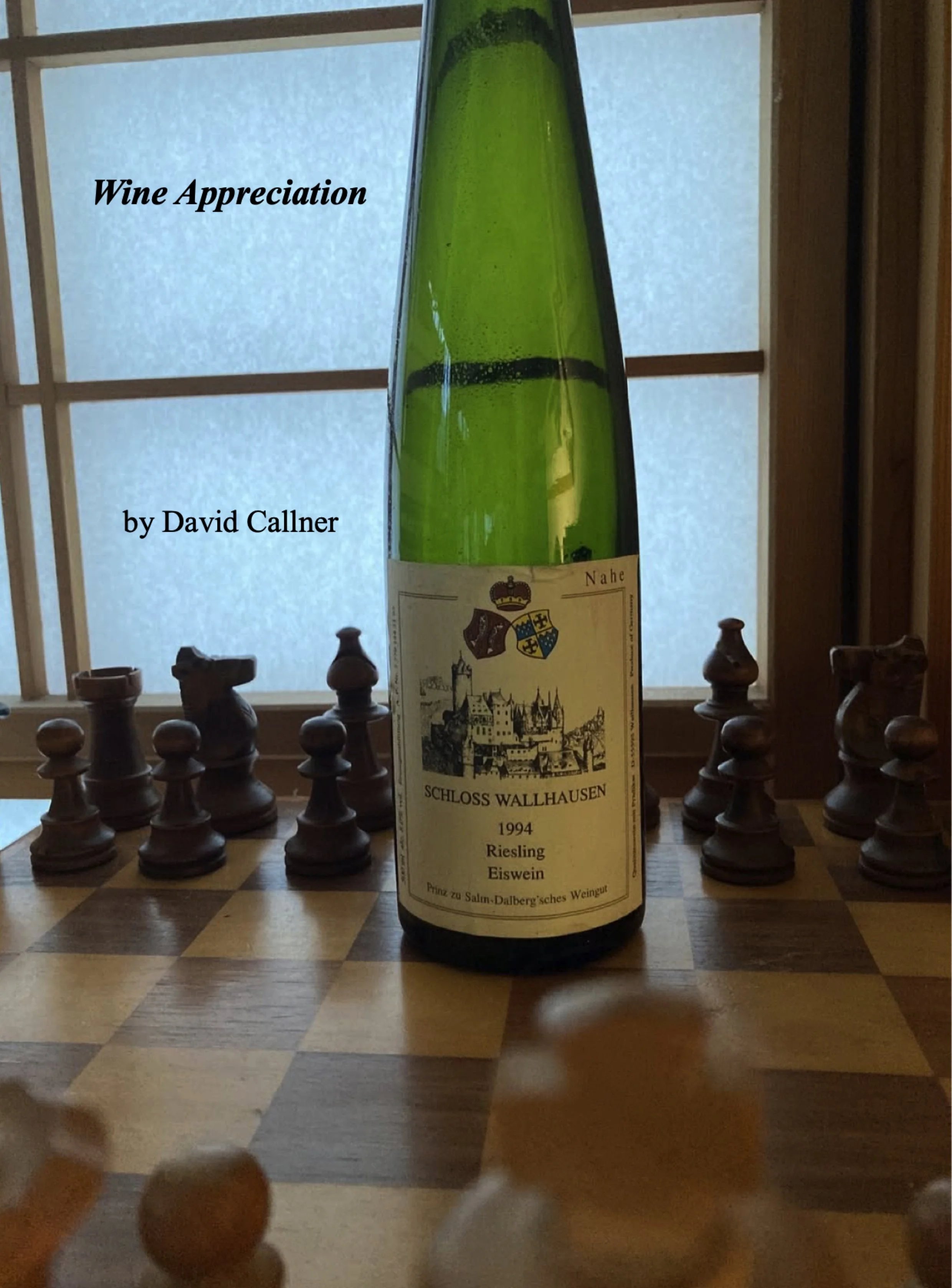
Wine Appreciation - 2026
It is common knowledge that wine, once opened, will eventually become undrinkable.
Poster Boy - 2026
Notoriety was never something I even imagined, much less pursued. Nor did I consider my posters to be “Art”, nor do I now, now that they have become so famous. No, my career in poster making simply began as a part-time job when I was in art school. I needed the money. No, no, no.
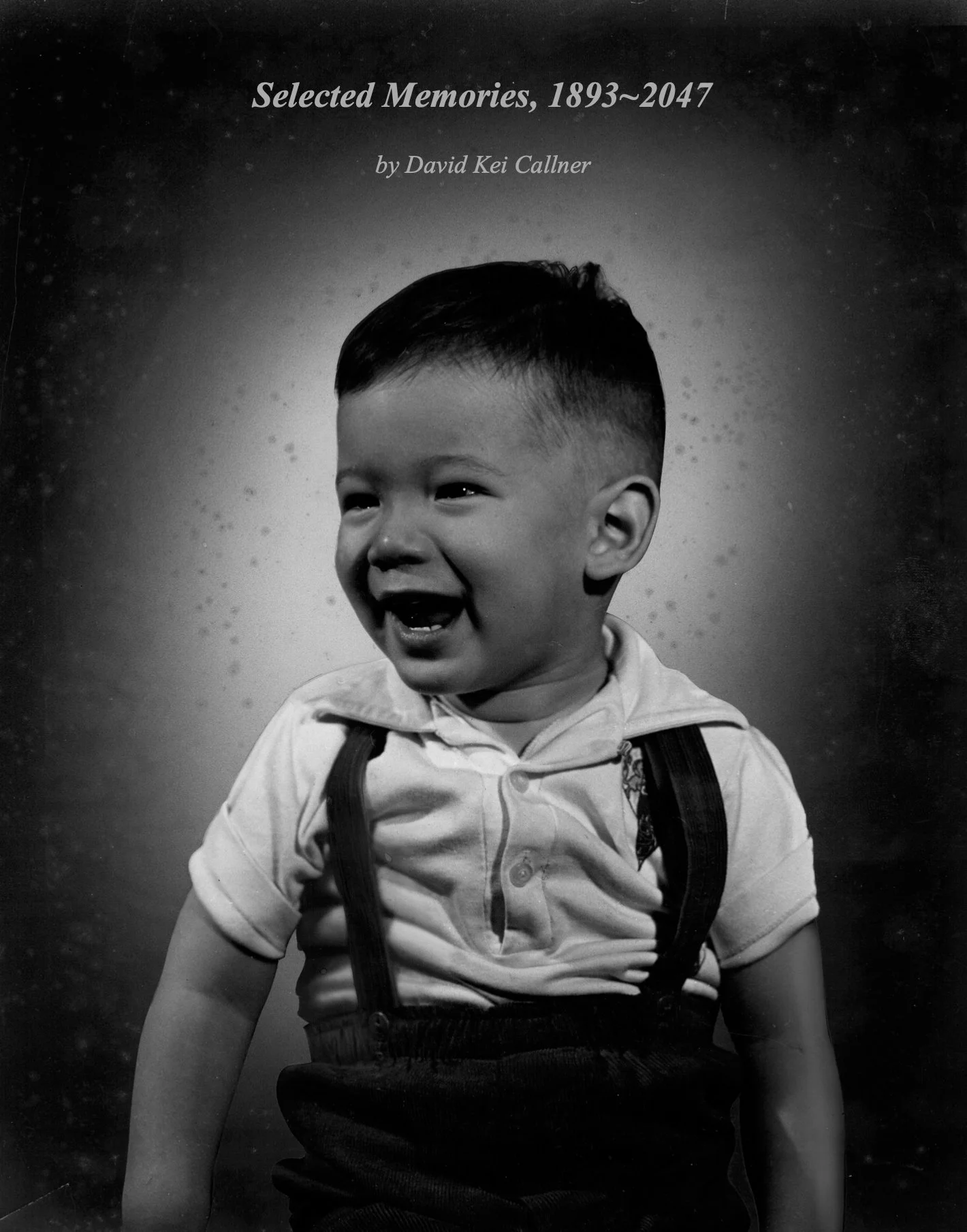
Selected Memories - 1893~2047
… the reality of life, flourishing through generations…
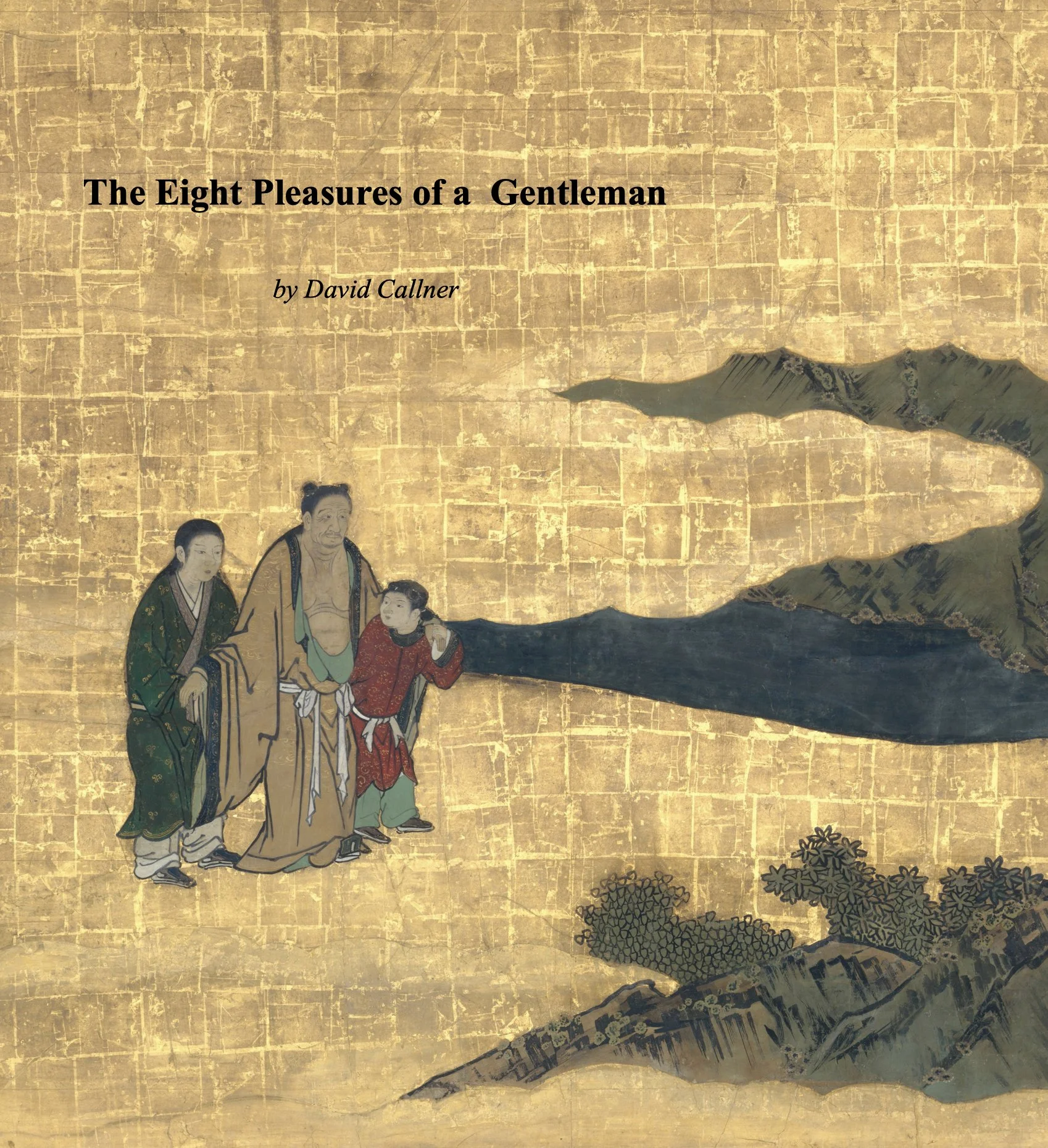
The Eight Pleasures of a Gentleman - 2016
Music, chess, calligraphy, painting, poetry, wine, ikebana, tea.